Applications and Benefits of Checkered PP Non-Woven Fabric in Industrial and Medical Sectors
Industrial Applications
Checkered PP non-woven fabric has become an indispensable material in multiple industrial sectors due to its durability, lightweight structure, chemical resistance, and cost-effectiveness. In the automotive industry, it is widely used for seat linings, insulation layers, trunk liners, air and oil filters, and protective packaging during transportation. In agriculture, it functions as crop covers, weed barriers, and soil protection sheets, helping to enhance crop growth while reducing pesticide use. In packaging, the fabric is used for reusable shopping bags, protective wraps, and cushioning materials, offering a sustainable alternative to traditional packaging. The glass processing industry, especially for deep glass cutting and CNC-edged glass, benefits from the fabric’s scratch-resistant properties and anti-slip surface, ensuring safe handling during production and transport.
Medical Applications
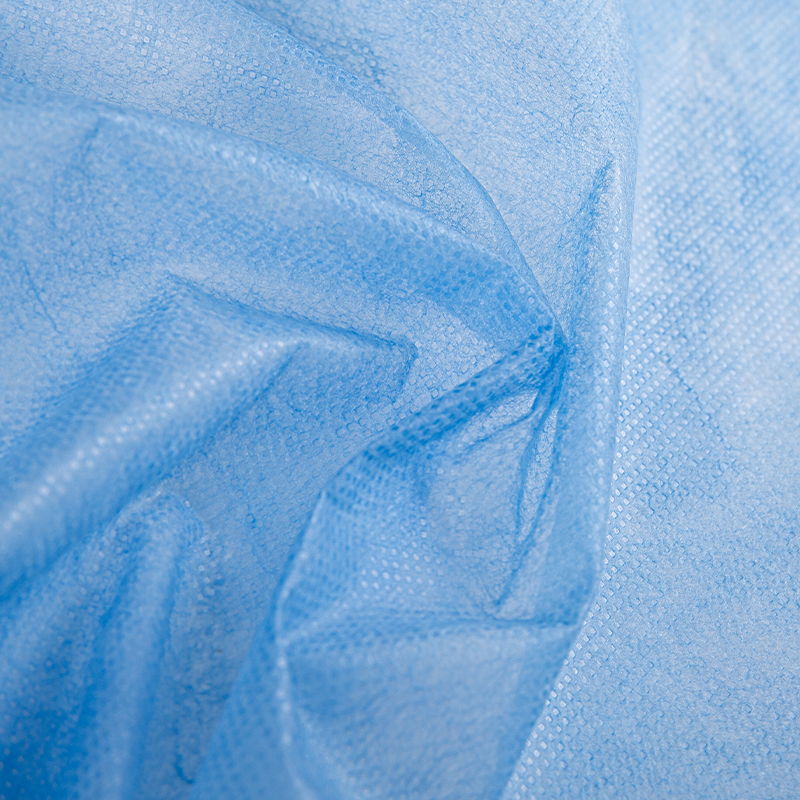
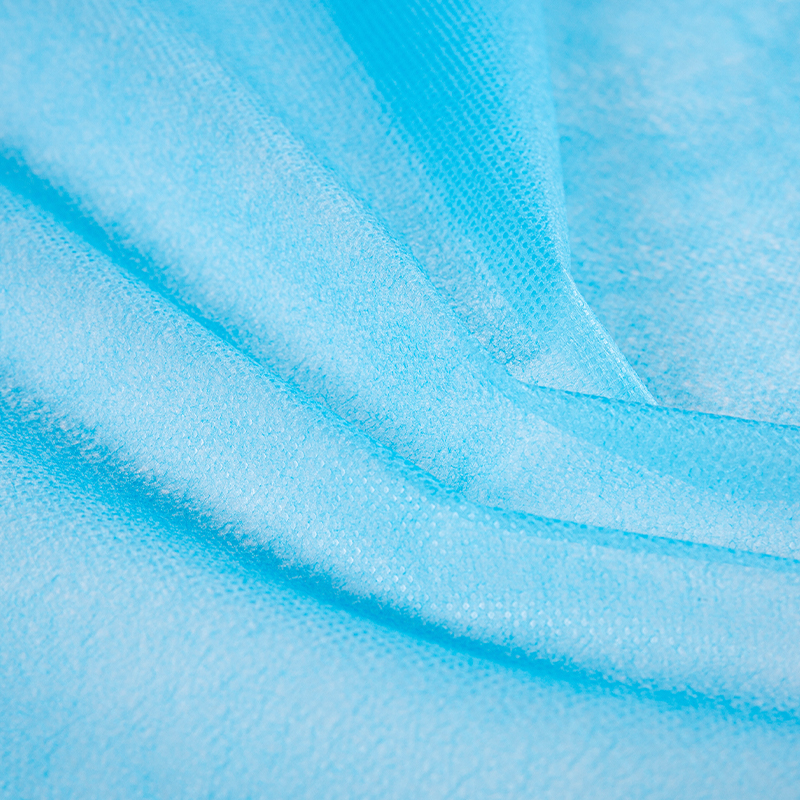
Checkered PP non-woven fabric is highly valued in the healthcare sector for its hygienic, breathable, and hypoallergenic properties. It is commonly used for disposable surgical gowns, face masks, drapes, bed covers, shoe covers, and other protective equipment. Its non-toxic nature ensures patient safety while providing comfort for healthcare workers. The single-use design reduces the risk of cross-contamination, making it ideal for hospitals, clinics, and laboratories.
Key Benefits and Advantages
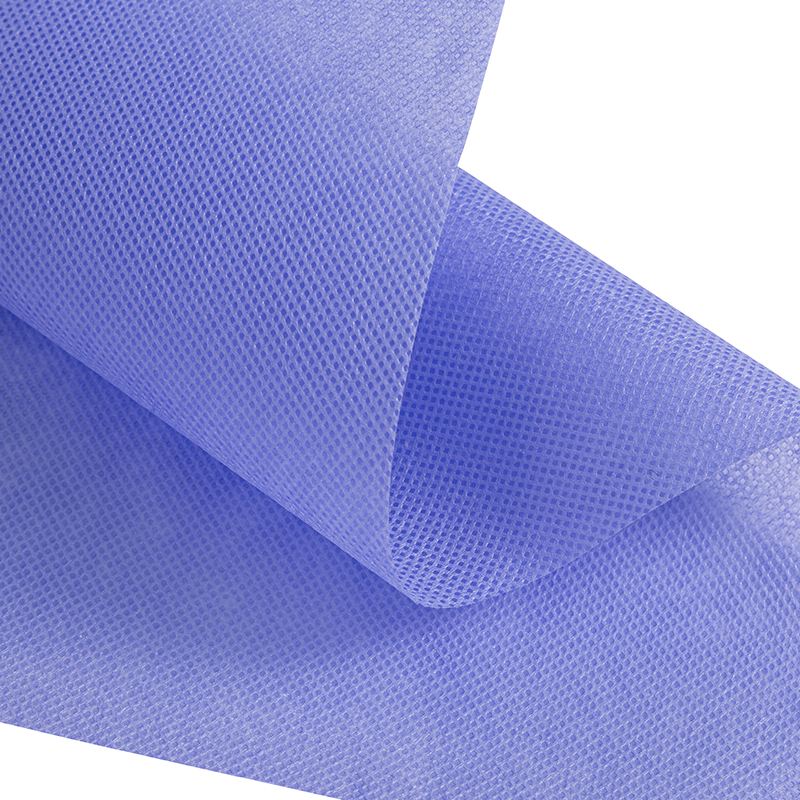
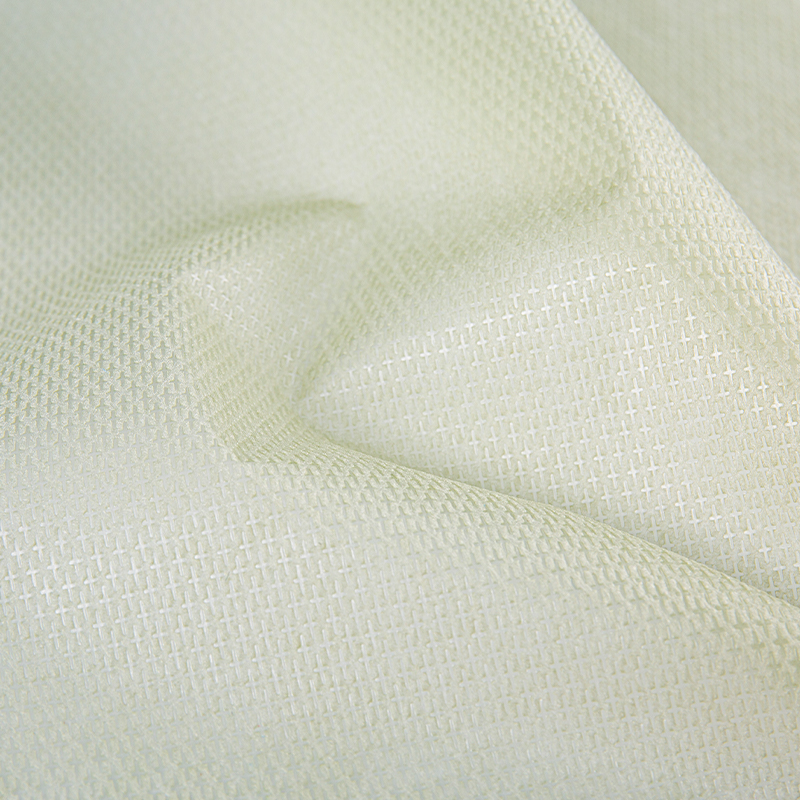
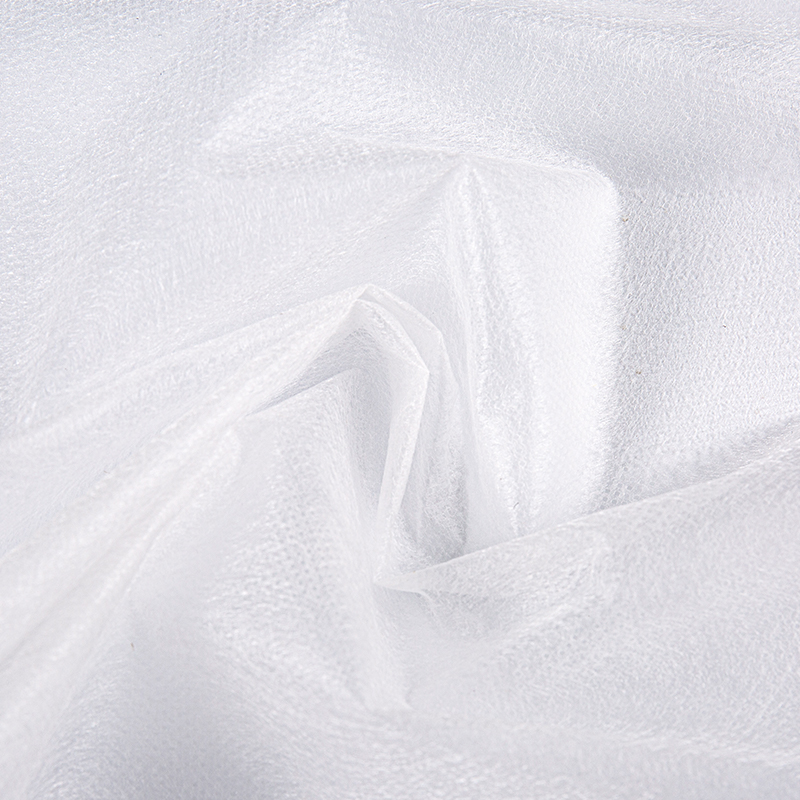
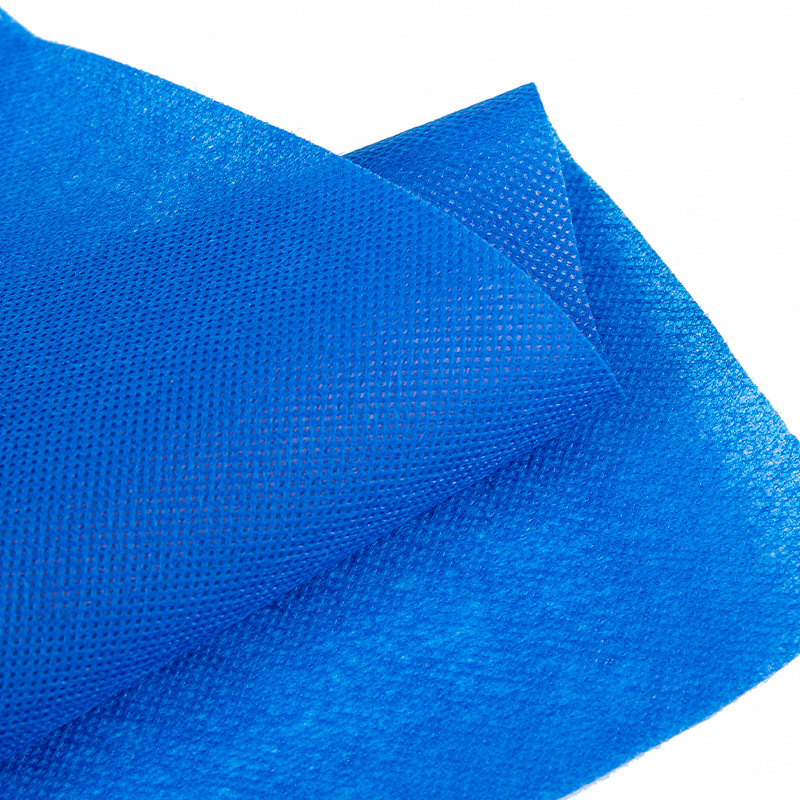
The checkered design not only enhances the aesthetic appeal but also improves mechanical strength and tear resistance, making it more reliable under stress. Its lightweight yet robust structure enables easy handling and processing. Additional benefits include excellent water repellency, breathability, thermal stability, and compatibility with various manufacturing techniques such as lamination, heat sealing, and printing.
Technical Parameters of Checkered PP Non-Woven Fabric
| Property |
Typical Range / Specification |
| Material |
Polypropylene (PP) spunbond or meltblown |
| Fabric Weight |
20–150 g/m² |
| Thickness |
0.2–1.5 mm |
| Tensile Strength |
MD: 200–500 N / CD: 150–400 N |
| Elongation at Break |
MD: 30–50% / CD: 25–45% |
| Pattern |
Checkered / embossed |
| Color |
Customizable (white, black, green, blue, etc.) |
| Applications |
Industrial protective layers, agriculture covers, medical gowns, packaging, glass protection |
Manufacturer Expertise
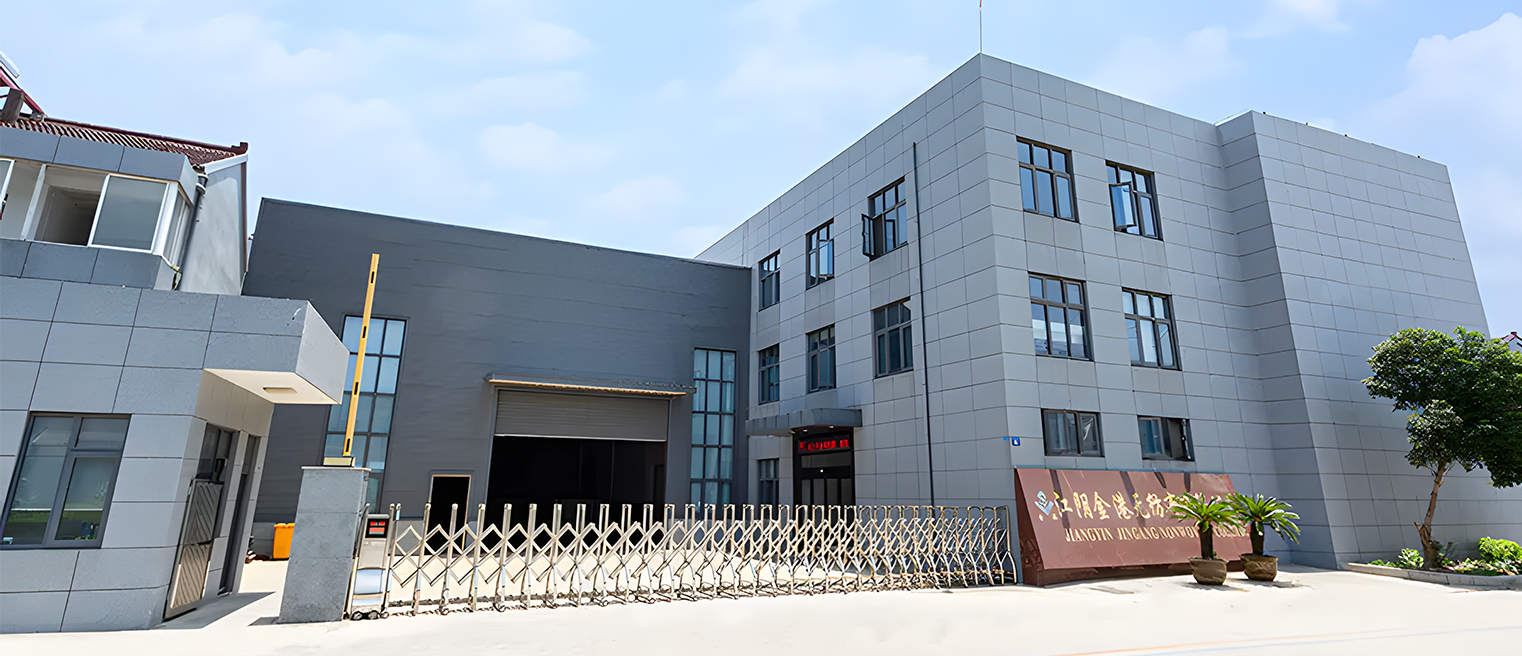
Jiangyin Jingang Nonwoven Co., Ltd., founded in 1999, specializes in the research, development, and production of PP spunbond and meltblown nonwovens. With extensive experience in industrial and medical fabric solutions, the company also designs and manufactures specialized machinery, including nonwoven production lines and CNC glass edging machines. This enables them to provide high-quality, customizable fabrics, along with professional technical support and reliable delivery to clients worldwide.
Checkered PP non-woven fabric offers versatile and practical solutions across industrial and medical sectors. Its combination of strength, durability, hygiene, and flexibility makes it an essential material for modern manufacturing, healthcare, and protective applications. Leveraging the expertise of manufacturers like Jiangyin Jingang Nonwoven Co., Ltd., companies can access fabrics that meet international standards and support sustainable, efficient production.
How to Select the Right Checkered PP Non-Woven Fabric for Your Production Needs
Understand Your Application Requirements
The first step in selecting the appropriate checkered PP non-woven fabric is to clearly define the intended application. Industrial applications, such as automotive insulation, packaging, or glass protection, may require fabrics with higher tensile strength and chemical resistance. In contrast, medical or hygiene applications demand fabrics with excellent breathability, softness, and barrier properties. Understanding the functional requirements ensures you select a fabric that meets both performance and safety standards.
Consider Fabric Weight and Thickness
Fabric weight and thickness significantly affect performance. Heavier fabrics (80–150 g/m²) provide better durability and tear resistance for industrial or heavy-duty applications, while lighter fabrics (20–50 g/m²) are suitable for disposable medical uses or applications requiring flexibility. Thickness also impacts the strength, breathability, and cushioning properties of the material. Matching these parameters with your production needs is essential for achieving optimal results.
Examine Mechanical Properties
Tensile strength, elongation, and tear resistance are critical mechanical properties for industrial and protective uses. A checkered PP non-woven fabric with higher tensile strength ensures stability and long-lasting performance under stress. Elongation and flexibility are equally important for applications that require folding, sewing, or heat-sealing. Always request technical datasheets from suppliers to compare these properties with your production requirements.
Evaluate Surface Pattern and Aesthetic Features
The checkered pattern is not only decorative but also enhances structural integrity. For applications like packaging, bags, or automotive covers, the surface texture can improve grip, reduce slippage, and provide additional tear resistance. Choosing the right embossing pattern or texture can also enhance brand perception in consumer products.
Assess Chemical Resistance and Environmental Compatibility
Depending on the application, fabrics may be exposed to moisture, oils, UV radiation, or cleaning chemicals. Checkered PP non-woven fabrics generally offer strong resistance to these factors, but verifying compatibility is crucial for durability. Additionally, consider environmental sustainability. Many PP non-woven fabrics are recyclable and reusable, which can align with eco-friendly production practices.
Manufacturer Capabilities and Customization
Working with an experienced manufacturer ensures access to high-quality fabrics and technical support. Companies like Jiangyin Jingang Nonwoven Co., Ltd. offer customized checkered PP non-woven fabrics with adjustable weight, thickness, color, and embossing patterns. Their expertise in nonwoven materials and production machinery guarantees that the fabrics are reliable, consistent, and tailored to specific industrial or medical needs.
Selecting the right checkered PP non-woven fabric requires careful consideration of application requirements, mechanical properties, surface texture, chemical resistance, and manufacturer capabilities. By understanding these factors and collaborating with experienced suppliers, you can ensure that your production uses high-quality, durable, and efficient fabrics, maximizing performance and cost-effectiveness in your end products.